November 24, 2026
From Fruit Fillings to Cream Toppings at Pie Cafe Colorado Springs
By @reidkzxs151
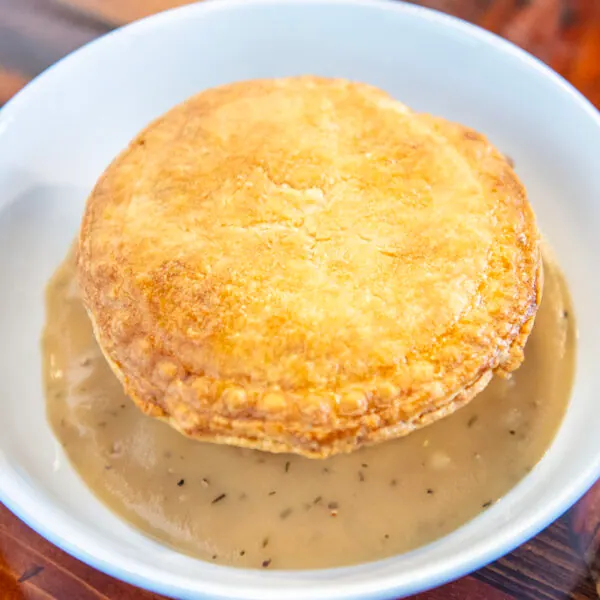
A great slice of pie never feels accidental. Every part of it, the crust, the filling, the thick or airy topping, has to pull in the same direction. When one element drifts out of balance, you taste it right away. The fruit turns gummy, the cream slumps, the crust disappears, or the sweetness lands with a thud instead of a clean finish. That is why people remember a pie shop that gets it right. They may talk first about the flavor they ordered, but what they are really remembering is balance.
At pie cafe colorado springs, that balance is what gives the menu its staying power. Fruit pies and cream pies live side by side, but they ask for very different techniques. A berry filling has to hold its shape without turning stiff. A banana or chocolate cream pie has to feel rich without becoming heavy. Toppings seem simple from the dining room, yet they often decide whether the last bite is refreshing or exhausting. For anyone who loves pie, or simply wants to understand why one slice stands out from another, it helps to look closely at how these components work.
The filling sets the whole tone
People often start with filling because it is the most obvious part of the slice. It carries the signature flavor, the aroma, and much of the color. But in practical terms, filling does more than that. It tells the baker how sturdy the crust needs to be, how much sugar the pie can handle, whether a topping should be restrained or generous, and even how large the serving should feel.
Fruit fillings announce themselves quickly. You see their jewel tones before the fork hits the plate. Cream fillings are quieter at first glance, but no less exacting. Each one asks different questions in the kitchen.
With fruit pies, the challenge is concentration. Fruit contains water, and that water moves as it heats. Some fruits collapse early, others keep their shape, and some release juice faster than expected depending on ripeness, storage, and season. If the cook underestimates that variation, the result is either a runny pie or a filling tightened so aggressively with starch that it loses its natural character.
Cream fillings demand a different kind of control. They are about texture and temperature. The line between silky and gluey is thinner than most people realize. Custards, puddings, and pastry-cream-style bases all depend on timing. Too little heat and the filling will not set cleanly. Too much, and proteins tighten, starches overcook, or the mixture develops a dull, cooked taste that lingers on the back palate.
That is why a pie cafe earns trust over time. It is not just producing dessert. It is repeating a series of judgments, batch after batch, even when ingredients shift.
What makes fruit fillings worth the trip
The best fruit pies do not taste like jam poured into a shell. They taste like fruit that has been organized. That sounds simple, but it is hard to do well.
Take apple pie, for example. Apples are familiar enough that people underestimate how many decisions sit inside one slice. The variety matters. A soft apple can deliver wonderful flavor but break down too far in baking. A firmer apple can keep structure but taste flatter unless the seasoning is adjusted. Sugar is never just sugar here. It changes not only sweetness but moisture draw, browning, and the pace at which the filling comes together in the oven. Cinnamon, nutmeg, lemon, salt, and butter each have a role, yet too much of any one of them can erase the apple itself.
Berry pies bring another set of issues. Blueberries, blackberries, raspberries, and strawberries all behave differently, and mixed-berry pies can be even trickier because each fruit releases juice at a different rate. A good berry pie tastes bright and full, with enough body that the filling stays on the fork but not so much that it feels gelatinous. That balance takes restraint. Many bakers have had the experience of adding a little more thickener than they wanted because they fear a sloppy slice. Usually, the better move is to trust the fruit, manage the bake carefully, and let the cooling process do its work.
Cherry pie shows whether a bakery respects tartness. Sweet cherries alone can taste round but sleepy. Tart cherries add lift. A pie that leans too far into sugar loses its edge and starts tasting generic. A well-made cherry filling should have a little spark. It should wake up the crust and leave room for a dairy topping if one is added.
Peach pie is one of the easiest to ruin and one of the most satisfying when handled well. Peaches can become thin and watery if harvested underripe, or dense and nearly pasty if cooked too long when very ripe. A baker has to judge not just the fruit but the day. Summer peaches on a hot week are not the same ingredient as peaches trucked in early or late in the season. The best peach pies keep some shape in the slices and let floral notes come through rather than drowning everything in spice.
At a place like pie cafe colorado springs, fruit fillings matter because they give customers both nostalgia and surprise. Someone may come in expecting the apple pie they grew up with, then notice that the filling has more brightness or a cleaner finish than the versions they remember from chain restaurants or holiday buffets. That difference usually comes from a hundred small choices rather than one secret trick.
The role of local preference in a mountain city
Colorado Springs has its own dining habits, and dessert culture follows them more than people think. In a city where outdoor days can be long, where families move between errands, school pickups, hiking plans, and coffee meetings, pie often has to perform in several roles. It might be an afternoon stop, a post-dinner treat, or a take-home dessert for a gathering. That changes what people gravitate toward.
Fruit pies tend to appeal to customers looking for something a little lighter on the finish, even when the slice itself is generous. Cream pies often become the comfort order, the one chosen when the weather turns cold or when a customer wants a dessert that feels more indulgent and less bright. Seasonal shifts matter here. Around the holidays, people lean into familiar fruit flavors and traditional combinations. In warmer months, citrus, berries, and lighter whipped toppings can pull ahead.
That local rhythm helps explain why variety matters so much in a pie-focused shop. Customers do not always want the same sweetness level, the same texture, or the same visual appeal. Some want a slice that can stand in for a complete dessert after dinner. Others want something that pairs neatly with coffee in the middle of the day. The difference between those two moments is often the difference between a fruit-forward pie and a cream-based one.
Cream pies are not just sweeter pies
People sometimes talk about cream pies as if they are simply richer versions of fruit pies. In practice, they are their own category entirely. A strong cream pie depends less on brightness and more on texture, proportion, and finish.
Chocolate cream pie is a good example. There is a version of it that feels almost like pudding in a crust, dense and dark enough to satisfy anyone who wants a serious dessert. There is also a lighter version, with more dairy lift and a softer set, where the topping becomes part of the chocolate experience rather than just decoration. Both can be good. The problem comes when the filling and topping compete. If the chocolate base is too heavy and the whipped cream too sweet, the pie collapses into monotony.
Banana cream pie is another pie that exposes shortcuts. Real banana flavor is delicate. It bruises easily under excessive sweetness or artificial notes. When it works, you get layers: mellow custard, soft fruit, flaky or crumb crust, and cream that freshens the whole bite. When it does not, you get a one-note dessert that tastes beige in every sense of the word.
Coconut cream pie has a similar issue. Coconut can be deeply aromatic, toasty, and elegant, but it can also turn flat and sugary if it relies too much on extract and too little on actual coconut texture. The best versions use the topping strategically. A cloud of whipped cream can soften the richness of the custard, while toasted coconut adds fragrance and a slight chew that keeps the slice interesting.
Key lime and other citrus cream-style pies sit on the border between the two worlds. They deliver dairy richness, but acid defines them. These pies prove how useful contrast can be. A tart filling under lightly sweetened cream creates a cleaner finish than one might expect from such a decadent-looking dessert.
Why toppings matter more than most customers realize
Toppings often get dismissed as the easy part. They should not. The topping is the final editor of the slice.
Whipped cream, when made and handled well, does more than decorate. It tempers sweetness, cools the palate, and softens sharp edges in strongly flavored pies. Put a modest layer on a tart cherry pie, and the fruit reads juicier. Add it to a chocolate cream pie, and the cocoa tastes deeper because the dairy opens it up. Even a classic apple slice can benefit from cream if the spice blend runs warm and assertive.
The problem is that whipped toppings are fragile. Temperature matters. Holding time matters. Sugar level matters. Underwhipped cream looks loose and disappears quickly. Overwhipped cream goes grainy and loses elegance. Sweeten it too aggressively and it stops refreshing the palate. Stabilize it too much and you trade freshness for durability. Bakeries that sell high volume often have to decide where they sit on that spectrum. A topping that looks perfect for hours may not taste as good as one made with a lighter hand and served sooner.
Meringue presents another set of choices. It can be glossy and dramatic, especially over lemon fillings, but it needs care. Humidity, sugar dissolution, baking time, and storage all affect whether it stays appealing or starts weeping. For some pie shops, whipped cream is simply the more forgiving and guest-friendly finish. For others, meringue remains essential on specific pies because its toasted sweetness is part of the identity of the dessert.
Ice cream is a topping too, though it changes the experience more radically. A warm fruit pie with a scoop of vanilla turns into a composed dessert rather than just a slice. That can be wonderful, but it also masks flaws. Ice cream covers dryness, over-thickened filling, and underseasoning better than whipped cream does. If a pie is excellent on its own, the topping feels like a choice rather than a rescue.
Pairing filling and topping is an act of judgment
Not every pie benefits from the same finish. This is where a well-run pie shop shows its palate. The decision is not simply, “Would cream taste good here?” It is, “What does this filling need?”
Here are a few pairing principles that tend to hold up in practice:
- Tart fruit pies usually welcome some cream because dairy rounds the edges without erasing the fruit.
- Warm spice-heavy pies often benefit from lightly sweetened toppings rather than very sugary ones.
- Rich cream pies need restraint on top, otherwise the slice becomes one long note of sweetness.
- Citrus pies do better with airy toppings than dense ones because lift supports acidity.
- Delicate fruit flavors, especially peach or fresh strawberry, need toppings that stay in the background.
These are guidelines, not laws. Sometimes the best move is to serve the pie plain and let the filling speak clearly. Customers appreciate that option more than many businesses assume.
Texture is where loyalty gets built
Flavor gets attention first, but texture is what makes people come back. A pie can taste good and still feel unsatisfying if the textures flatten into one another.
A proper fruit pie usually gives you three sensations at once: the resistance of baked fruit, the body of the thickened juices, and the structure of the crust. Cream pies need even more attention because smooth fillings can become monotonous without contrast. A crisp crust, a layer of sliced fruit, toasted coconut, shaved chocolate, chopped nuts, or even a lightly torched topping can keep the bite moving.
This is one of the quiet strengths of a focused dessert shop. It understands that pie is not cake and should not eat like cake. Pie needs architecture. The bottom crust must carry weight. The filling must slice cleanly enough to look intentional but softly enough to feel generous. The topping must land with purpose.
In Colorado’s dry climate, texture can shift faster than people expect. Crusts can stale, creams can crust over if not protected, and fruit pies can tighten as they cool. That makes handling and display just as important as recipe design. A pie that looked perfect an hour ago may not be at its best later in the day without careful storage. Customers do not always see that labor, but they taste the result.
Seasonal changes keep a pie menu alive
One reason pie never really goes out of style is that it follows the calendar so naturally. Each season brings its own mood and ingredient logic.
Spring invites lighter profiles, lemon, early berries, coconut, and cream pies that feel cool rather than heavy. Summer belongs to stone fruit, mixed berries, and chilled slices topped with fresh cream. Fall is the kingdom of apple, pumpkin, pecan, and warm spice. Winter leans into deeper comfort, chocolate, rich custards, hearty fruit combinations, and holiday classics that people order as much for memory as for flavor.
At pie cafe colorado springs, a seasonal approach makes practical sense. It keeps regulars interested, supports better flavor when fruit is at its strongest, and allows the menu to shift between bright and cozy depending on the time of year. Seasonal rotation also helps manage expectations. A customer who knows peach pie appears when peaches actually taste like peaches is more likely to trust the rest of the menu.
There is also a business reality here. Seasonal ingredients can be more expensive, less predictable, and shorter-lived. That means a pie shop has to decide whether it wants absolute consistency year-round or better peak flavor when the ingredients cooperate. In my experience, guests usually reward the second approach if it is communicated honestly and delivered well.
What customers should notice when ordering a slice
A discerning customer can learn a lot about a pie shop from one plate. Start with the cut. Does the slice hold its shape https://trentontaiu423.valoradigest.com/posts/a-slice-above-the-rest-pie-cafe-colorado-springs naturally, or is it propped up by excessive stiffness? Look at the crust edge. It should suggest flake or tenderness, not greasiness or dryness. Notice the topping. Is it there because the pie needs it, or because someone felt every dessert needed a visual flourish?
Then taste in stages. Try a bite of the filling alone if possible. See whether the fruit tastes distinct or blended into generic sweetness. With cream pies, pay attention to the finish. Good dairy desserts feel rich, then clean. Poorly balanced ones coat the mouth and overstay their welcome.
If you are ordering for a group, a mix of fruit and cream pies usually serves everyone better than several versions of the same style. Variety matters because pie preference is more textural than many people realize. One person wants the brightness and slight chew of a berry filling. Another wants the softness of banana cream. Someone else wants the deep caramelized nuttiness of pecan. A solid pie cafe can satisfy all three without losing its identity.
The craft behind a memorable pie shop
The charm of pie often comes from its familiarity. It feels homelike, generous, and unpretentious. Yet making excellent pie consistently is one of the more demanding tasks in baking. Fillings fluctuate. Crusts are unforgiving. Toppings are perishable. Service timing matters. Slices have to taste as good at the counter as they look in the case.
That is what makes a place like pie cafe colorado springs stand out when it gets the details right. Customers may walk in thinking they are choosing between fruit and cream, but the real choice is deeper than that. They are choosing between a dessert assembled from standard parts and one built with judgment. They are choosing whether the sweetness will feel sharp or rounded, whether the topping will merely decorate or actually improve the pie, whether the final bite will drag or leave them wanting another forkful.
From a bright cherry filling to a cool swirl of whipped cream, each part of the slice should earn its place. When it does, pie feels larger than dessert. It becomes comfort with structure, indulgence with restraint, and tradition handled with enough care to feel new again.
3.14 Pi Bar
5152 Centennial Blvd
Colorado Springs, CO 80919
(719) 314-6172
FAQ About pie cafe colorado springs
Does 3.14 Pi Bar serve sweet and savory pies?
Yes. The café serves savory pot pies and seasonal sweet pies made from scratch. Flavors can vary.
Can I order a whole pie to take home?
Yes. The café sells whole sweet pies to take home. Check the current menu for flavors and ordering options.
Does 3.14 Pi Bar offer take-and-bake pies?
Yes. The café offers prepared pies that you can bake at home. Check the current menu for available varieties.
❧